Updated: 2024/09/16
This article will be divided into 8 parts:
- The Science of Hadith
- Refuting the argument that “the Prophet did not receive revelation outside of the Quran”
- Refuting the Quranist argument that “the Prophet’s only role was to deliver the Quran”
- Refuting the argument that “if Hadiths are needed, then the Quran is not perfect”
- Abu Hurayra
- Questionable hadiths
- Refuting the argument from the Hadith which the Prophet says “Do not write anything down from me except the Qur’an
- Some questions that Quranists have no unequivocal answers to.
The Science of Hadith
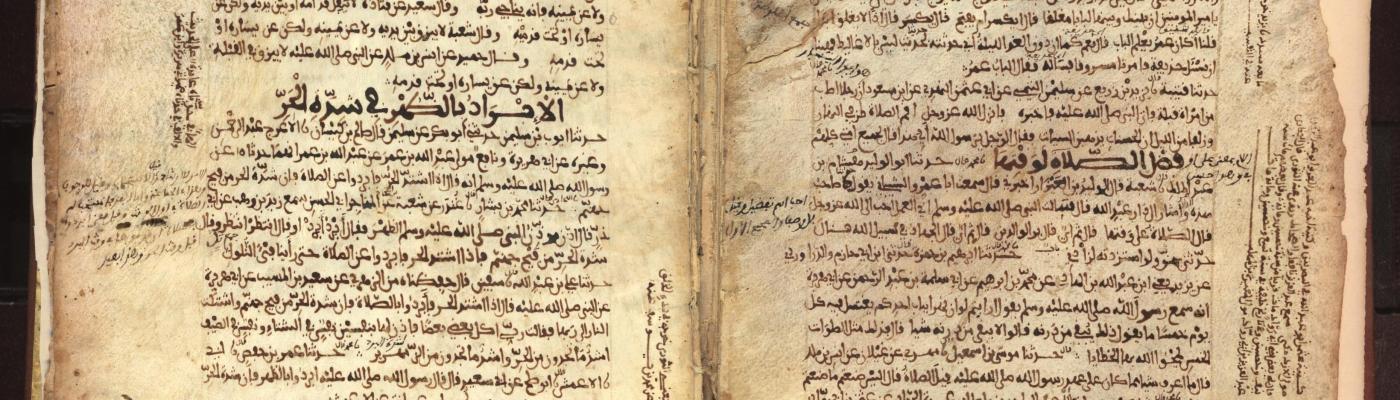
Hadiths are simply the sayings, teachings, and actions of the Prophet Muhammad (upon whom be peace) that were preserved through the acts of memory, practice, and eventually writing. Hadith are taught by a teacher through his teacher and ultimately a chain of teachers exist that can be traced back to the Prophet through the companion who heard it first hand from him. These people form a chain of narrators.
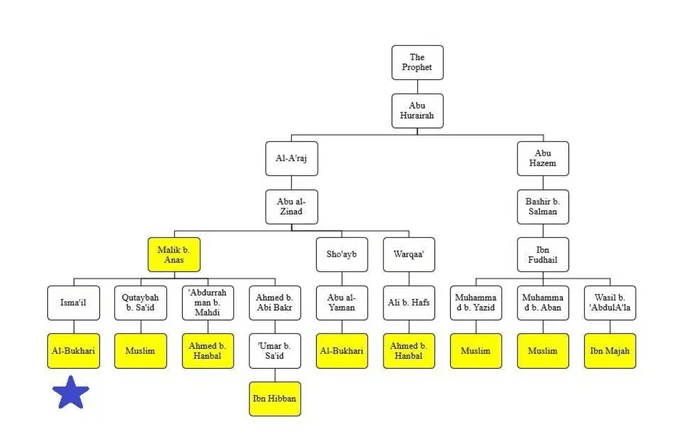
What is very interesting about this Islamic science is how intricate the process of checking whether a chain of narrators can actually be attributed to the Prophet Muhammad. This chain of narrators is called an isnad. This is typically done chronologically, from one narrators to the other, until we get to the primary narrator.
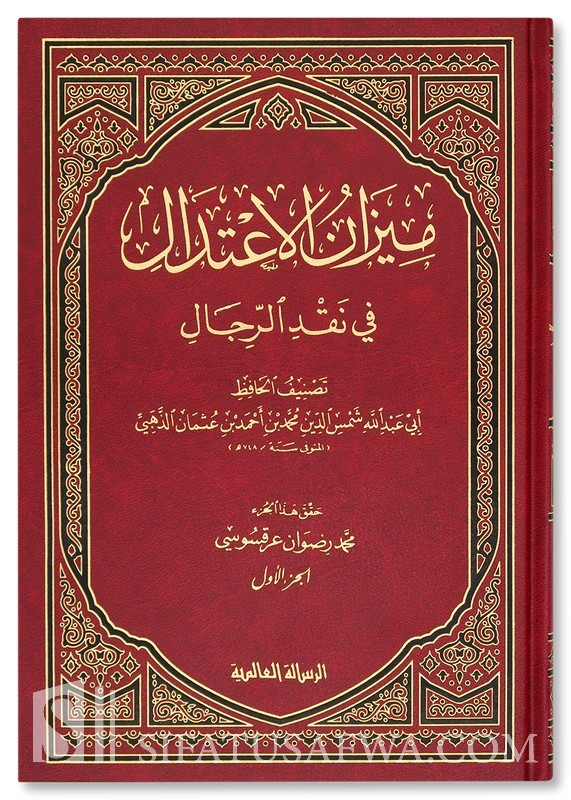
To affirm the reliability of a hadith, Islamic hadith scholars do rigorous background checks on the narrators to confirm that the narrators were upright, righteous and truthful men. For example, one of the most important works in ilm ar-rijal written by al-Dhahabi is Mizan al-Itidal (لميزان الاعتدال). Which is a 5 volume book in alphabetical order in which the author identified liar narrators, unknown narrators, and those narrators who are to be abandoned. He also distinguishes weak narrators from scholars in hadith whose degree is low due to memory or certain other breaches.
Scholars of hadith impose a very strict criterion upon these narrators to ensure that every member in the isnad is qualified and trustworthy, and that the isnad makes historical sense. Only then is the hadith accepted as authentic. (Sahih) Hence, without a list of narrators, a hadith should not be accepted as reliable.
Why Keep Weak Hadith?
Critics of hadith usually ask why many classical works of hadith still include weak hadiths that have been proven to be unreliable. There are several reasons for this. For one, this would be a duplicity of the trust of readers. The reader would want the original work by the author, rather than edited versions of classical works. If you simply take things out of the original, then you would be cheating the reader. Even if weak narrations were completely removed from classical works, it would give the opportunity for critics to claim that Muslims are tampering with their own works, almost to hide something, which is not the case.
Secondly, weak hadiths are usually kept to show which narrator in the chain of narration is weak, or for what reason the hadith is weak. Keeping weak narrations helps scholars understand which narrator is trustworthy and which narrator is a liar. For example, as mentioned previously, in Mizan al-Itidal, al-Dhahabi quotes specific weak hadiths to illustrate what kind of nonsense untrustworthy narrators would come up with.
Now, what usually happens is that there exists versions of classical works that only consist of authentic narrations, omitting all of the weak narrations. For example, the famous Tarikh al-Tabari has a authentic version called Sahih Tarikh al-Tabari, which obviously contains only the authentic narrations that would be found in the classical work Tarikh al-Tabari.
Refuting the argument that hadiths came 200 years later
The compilers of hadith are not the sources of the hadith. As I mentioned previously, hadiths were preserved through the acts of memory, practice, and eventually writing. Those who wrote down the hadiths were the ones who compiled these classical works. Not even accounting for the fact that plenty of hadith compilations existed prior to Kutub al-Sittah anyways. This argument is so poor that even intellectual critics of Islam have rejected it.
I say: If such a theory were true, why is there is no historical account of any of the early muslims rejecting hadith? Why were the great Imam Bukhari and Imam Muslim so beloved by the community of muslims? Did the Muslim community of the 9th century accept the teachings of scholars without question, even when there was no historical evidence to support them?
Refuting the argument that “the Prophet did not receive revelation outside of the Quran”
It is important to make a distinction between the two kinds of revelations that the Prophet received. Firstly, the revelation of the Quran (al-wahy al-matluww) and the revelation the Prophet received outside of the Quran (al-wahy ghair al-matluww). We can prove the Prophet Muhammad (upon whom be peace) received revelations outside of the Quran by using the Quran.
وَكَذَٰلِكَ جَعَلْنَـٰكُمْ أُمَّةًۭ وَسَطًۭا لِّتَكُونُوا۟ شُهَدَآءَ عَلَى ٱلنَّاسِ وَيَكُونَ ٱلرَّسُولُ عَلَيْكُمْ شَهِيدًۭا ۗ وَمَا جَعَلْنَا ٱلْقِبْلَةَ ٱلَّتِى كُنتَ عَلَيْهَآ إِلَّا لِنَعْلَمَ مَن يَتَّبِعُ ٱلرَّسُولَ مِمَّن يَنقَلِبُ عَلَىٰ عَقِبَيْهِ ۚ وَإِن كَانَتْ لَكَبِيرَةً إِلَّا عَلَى ٱلَّذِينَ هَدَى ٱللَّهُ ۗ وَمَا كَانَ ٱللَّهُ لِيُضِيعَ إِيمَـٰنَكُمْ ۚ إِنَّ ٱللَّهَ بِٱلنَّاسِ لَرَءُوفٌۭ رَّحِيمٌۭ قَدْ نَرَىٰ تَقَلُّبَ وَجْهِكَ فِى ٱلسَّمَآءِ ۖ فَلَنُوَلِّيَنَّكَ قِبْلَةًۭ تَرْضَىٰهَا ۚ فَوَلِّ وَجْهَكَ شَطْرَ ٱلْمَسْجِدِ ٱلْحَرَامِ ۚ وَحَيْثُ مَا كُنتُمْ فَوَلُّوا۟ وُجُوهَكُمْ شَطْرَهُۥ ۗ وَإِنَّ ٱلَّذِينَ أُوتُوا۟ ٱلْكِتَـٰبَ لَيَعْلَمُونَ أَنَّهُ ٱلْحَقُّ مِن رَّبِّهِمْ ۗ وَمَا ٱللَّهُ بِغَـٰفِلٍ عَمَّا يَعْمَلُونَ ١٤٤١٤٣Thus We have appointed you a middle nation, that ye may be witnesses against mankind, and that the messenger may be a witness against you. And We appointed the qiblah which ye formerly observed only that We might know him who followeth the messenger, from him who turneth on his heels. In truth it was a hard (test) save for those whom Allah guided. But it was not Allah’s purpose that your faith should be in vain, for Allah is Full of Pity, Merciful toward mankind. (2:143) We have seen the turning of thy face to heaven (for guidance, O Muhammad). And now verily We shall make thee turn (in prayer) toward a qiblah which is dear to thee. So turn thy face toward the Inviolable Place of Worship (ٱلْمَسْجِدِ ٱلْحَرَامِ ۚ), and ye (O Muslims), wheresoever ye may be, turn your faces (when ye pray) toward it. Lo! Those who have received the Scripture know that (this revelation) is the Truth from their Lord. And Allah is not unaware of what they do. (2:144)
— M. Pickthall
There is no mention of this previous qiblah (the direction of prayer) in the Quran. The background of this verse is that the Muslims were initially ordered to direct their faces in prayers towards Jerusalem rather than Mecca. This was later abrogated to make the Holy Mosque in Mecca the qiblah as mentioned in 2:144. The verse 2:143 was revealed because many disbelievers wondered why Jerusalem was appointed as the qiblah earlier. Clearly, 2:143 affirms that the appointment of the former qiblah was in order to test the people whether or not they follow the Messenger. This was ordered by God, not by the Prophet, because the verse clearly states that “And We appointed the qiblah which ye formerly observed…” (2:143).
وَلَقَدْ نَصَرَكُمُ ٱللَّهُ بِبَدْرٍۢ وَأَنتُمْ أَذِلَّةٌۭ ۖ فَٱتَّقُوا۟ ٱللَّهَ لَعَلَّكُمْ تَشْكُرُونَ ١٢٣إِذْ تَقُولُ لِلْمُؤْمِنِينَ أَلَن يَكْفِيَكُمْ أَن يُمِدَّكُمْ رَبُّكُم بِثَلَـٰثَةِ ءَالَـٰفٍۢ مِّنَ ٱلْمَلَـٰٓئِكَةِ مُنزَلِينَ ١٢٤بَلَىٰٓ ۚ إِن تَصْبِرُوا۟ وَتَتَّقُوا۟ وَيَأْتُوكُم مِّن فَوْرِهِمْ هَـٰذَا يُمْدِدْكُمْ رَبُّكُم بِخَمْسَةِ ءَالَـٰفٍۢ مِّنَ ٱلْمَلَـٰٓئِكَةِ مُسَوِّمِينَ ١٢٥وَمَا جَعَلَهُ ٱللَّهُ إِلَّا بُشْرَىٰ لَكُمْ وَلِتَطْمَئِنَّ قُلُوبُكُم بِهِۦ ۗ وَمَا ٱلنَّصْرُ إِلَّا مِنْ عِندِ ٱللَّهِ ٱلْعَزِيزِ ٱلْحَكِيمِ ١٢٦
Allah had already given you the victory at Badr, when ye were contemptible. So observe your duty to Allah in order that ye may be thankful. (3:123) When thou didst say unto the believers: Is it not sufficient for you that your Lord should support you with three thousand angels sent down (to your help)? (3:124) Nay, but if ye persevere, and keep from evil, and (the enemy) attack you suddenly, your Lord will help you with five thousand angels sweeping on. (3:125) Allah ordained this only as a message of good cheer for you, and that thereby your hearts might be at rest – Victory cometh only from Allah, the Mighty, the Wise – (3:126)
— M. Pickthall
Specifically, 3:124 mentions good news of aid given by God himself. This specific good news of aid is no where to be found in the Quran. More specifically, no verse was revealed during the Battle of Badr that speaks about aid of the angels.
وَإِذْ يَعِدُكُمُ ٱللَّهُ إِحْدَى ٱلطَّآئِفَتَيْنِ أَنَّهَا لَكُمْ وَتَوَدُّونَ أَنَّ غَيْرَ ذَاتِ ٱلشَّوْكَةِ تَكُونُ لَكُمْ وَيُرِيدُ ٱللَّهُ أَن يُحِقَّ ٱلْحَقَّ بِكَلِمَـٰتِهِۦ وَيَقْطَعَ دَابِرَ ٱلْكَـٰفِرِينَ ٧
And when Allah promised you one of the two bands (of the enemy) that it should be yours, and ye longed that other than the armed one might be yours. And Allah willed that He should cause the Truth to triumph by His words, and cut the root of the disbelievers; (8:7)
— M. Pickthall
The above verse says that God had promised the believers that they would triumph over one of these two groups. There is no verse in the Quran attributed to this promise. This list is not exhaustive, as there are plenty more verses that prove that the Prophet Muhammad (upon whom be peace) received revelations outside of the Quran. (i.e. 33:37, 66:3)
Refuting the Quranist argument that “the Prophet’s only role was to deliver the Quran”
Indeed, the Prophet’s role was to deliver the Quran, however, not only does the Prophet have to deliver the message of the Quran, but he has to deliver it clearly as well. The following verses refute this argument completely:
لَقَدْ مَنَّ ٱللَّهُ عَلَى ٱلْمُؤْمِنِينَ إِذْ بَعَثَ فِيهِمْ رَسُولًۭا مِّنْ أَنفُسِهِمْ يَتْلُوا۟ عَلَيْهِمْ ءَايَـٰتِهِۦ وَيُزَكِّيهِمْ وَيُعَلِّمُهُمُ ٱلْكِتَـٰبَ وَٱلْحِكْمَةَ وَإِن كَانُوا۟ مِن قَبْلُ لَفِى ضَلَـٰلٍۢ مُّبِينٍ ١٦٤
Allah verily hath shown grace to the believers by sending unto them a messenger of their own who reciteth unto them His revelations, and causeth them to grow, and teacheth them the Scripture and wisdom; although before (he came to them) they were in flagrant error. (3:164)
— M. Pickthall
The mention of the Prophet instructing people in scripture and wisdom is mentioned multiple times in the Quran alongside this verse. (2:129, 2:151, 62:2)
ٱلَّذِينَ يَتَّبِعُونَ ٱلرَّسُولَ ٱلنَّبِىَّ ٱلْأُمِّىَّ ٱلَّذِى يَجِدُونَهُۥ مَكْتُوبًا عِندَهُمْ فِى ٱلتَّوْرَىٰةِ وَٱلْإِنجِيلِ يَأْمُرُهُم بِٱلْمَعْرُوفِ وَيَنْهَىٰهُمْ عَنِ ٱلْمُنكَرِ وَيُحِلُّ لَهُمُ ٱلطَّيِّبَـٰتِ وَيُحَرِّمُ عَلَيْهِمُ ٱلْخَبَـٰٓئِثَ وَيَضَعُ عَنْهُمْ إِصْرَهُمْ وَٱلْأَغْلَـٰلَ ٱلَّتِى كَانَتْ عَلَيْهِمْ ۚ فَٱلَّذِينَ ءَامَنُوا۟ بِهِۦ وَعَزَّرُوهُ وَنَصَرُوهُ وَٱتَّبَعُوا۟ ٱلنُّورَ ٱلَّذِىٓ أُنزِلَ مَعَهُۥٓ ۙ أُو۟لَـٰٓئِكَ هُمُ ٱلْمُفْلِحُونَ ١٥٧قُلْ يَـٰٓأَيُّهَا ٱلنَّاسُ إِنِّى رَسُولُ ٱللَّهِ إِلَيْكُمْ جَمِيعًا ٱلَّذِى لَهُۥ مُلْكُ ٱلسَّمَـٰوَٰتِ وَٱلْأَرْضِ ۖ لَآ إِلَـٰهَ إِلَّا هُوَ يُحْىِۦ وَيُمِيتُ ۖ فَـَٔامِنُوا۟ بِٱللَّهِ وَرَسُولِهِ ٱلنَّبِىِّ ٱلْأُمِّىِّ ٱلَّذِى يُؤْمِنُ بِٱللَّهِ وَكَلِمَـٰتِهِۦ وَٱتَّبِعُوهُ لَعَلَّكُمْ تَهْتَدُونَ ١٥٨
Those who follow the messenger, the Prophet who can neither read nor write, whom they will find described in the Torah and the Gospel (which are) with them. He will enjoin on them that which is right and forbid them that which is wrong. He will make lawful for them all good things and prohibit for them only the foul; and he will relieve them of their burden and the fetters that they used to wear. Then those who believe in him, and honour him, and help him, and follow the light which is sent down with him: they are the successful. (7:157) Say (O Muhammad): O mankind! Lo! I am the messenger of Allah to you all – (the messenger of) Him unto Whom belongeth the Sovereignty of the heavens and the earth. There is no Allah save Him. He quickeneth and He giveth death. So believe in Allah and His messenger, the Prophet who can neither read nor write, who believeth in Allah and in His Words, and follow him that haply ye may be led aright. (7:158)
— M. Pickthall
In addition:
لَّقَدْ كَانَ لَكُمْ فِى رَسُولِ ٱللَّهِ أُسْوَةٌ حَسَنَةٌۭ لِّمَن كَانَ يَرْجُوا۟ ٱللَّهَ وَٱلْيَوْمَ ٱلْـَٔاخِرَ وَذَكَرَ ٱللَّهَ كَثِيرًۭا ٢١
Verily in the messenger of Allah ye have a good example for him who looketh unto Allah and the Last Day, and remembereth Allah much. (33:21)
— M. Pickthall
So the following verses give the Prophet Muhammad (upon whom be peace) the following roles alongside reciting the revelations of the Quran: to teach people the meaning of the Quran, teach people wisdom, to be an example/role model for the Muslims, and as 7:157 suggests, is to make things permissible (halal) and impermissible (haram). One may argue that these teachings are only for those who lived during the time of the Prophet. To that, I quote the Quran yet again:
۞ مَا نَنسَخْ مِنْ ءَايَةٍ أَوْ نُنسِهَا نَأْتِ بِخَيْرٍۢ مِّنْهَآ أَوْ مِثْلِهَآ ۗ أَلَمْ تَعْلَمْ أَنَّ ٱللَّهَ عَلَىٰ كُلِّ شَىْءٍۢ قَدِيرٌ ١٠٦Nothing of our revelation (even a single verse) do we abrogate or cause be forgotten, but we bring (in place) one better or the like thereof. Knowest thou not that Allah is Able to do all things? (2:106)
— M. Pickthall
If a Quranist were to argue that the previously mentioned verses about the Prophet being a role model or one who can make things halal or haram were abrogated, then they must provide a verse that abrogates these verse I previously mentioned.
Refuting the argument that “if Hadiths are needed, then the Quran is not perfect”
A unique characteristic of the Quran that is oftentimes overlooked is the way that it makes the Prophet Muhammad (upon whom be peace) the Prophet for all times. Prior to the Prophet Muhammad, the revelations that earlier Prophets received was sooner or later corrupted by the human process of oral transmission. Indeed, we see that if there was no Quran, the revelation that the Prophet Muhammad received would only be in the form of “hadith” and it would sooner or later be corrupted in the process of oral transmissions. The Qur’an offers a foundational basis that enables us to ascend towards historical truth. Previous religious traditions lack this firm foundation, leaving us adrift, unable to find a solid footing from which to progress. Similarly, another way to look at the role of the Quran in terms of oral prophetic transmissions is that the Quran is a muhaymin over it.
Muhaymin comes from the root haa-meem-noon , which points to three main meanings. The first main meaning is to oversee, protect, and guard, and the second is to witness. The third main meaning is to determine the truth. Indeed, the Quran is called Muhaymin in the following verse:
وَأَنزَلْنَآ إِلَيْكَ ٱلْكِتَـٰبَ بِٱلْحَقِّ مُصَدِّقًۭا لِّمَا بَيْنَ يَدَيْهِ مِنَ ٱلْكِتَـٰبِ وَمُهَيْمِنًا عَلَيْهِ ۖ فَٱحْكُم بَيْنَهُم بِمَآ أَنزَلَ ٱللَّهُ ۖ وَلَا تَتَّبِعْ أَهْوَآءَهُمْ عَمَّا جَآءَكَ مِنَ ٱلْحَقِّ ۚ لِكُلٍّۢ جَعَلْنَا مِنكُمْ شِرْعَةًۭ وَمِنْهَاجًۭا ۚ وَلَوْ شَآءَ ٱللَّهُ لَجَعَلَكُمْ أُمَّةًۭ وَٰحِدَةًۭ وَلَـٰكِن لِّيَبْلُوَكُمْ فِى مَآ ءَاتَىٰكُمْ ۖ فَٱسْتَبِقُوا۟ ٱلْخَيْرَٰتِ ۚ إِلَى ٱللَّهِ مَرْجِعُكُمْ جَمِيعًۭا فَيُنَبِّئُكُم بِمَا كُنتُمْ فِيهِ تَخْتَلِفُونَ ٤٨
And unto thee have We revealed the Scripture with the truth, confirming whatever Scripture was before it, and a watcher over it. So judge between them by that which Allah hath revealed, and follow not their desires away from the truth which hath come unto thee. For each We have appointed a divine law and a traced-out way. Had Allah willed He could have made you one community. But that He may try you by that which He hath given you (He hath made you as ye are). So vie one with another in good works. Unto Allah ye will all return, and He will then inform you of that wherein ye differ. (5:48)
— M. Pickthall
As previously mentioned, the Qur’an serves as a benchmark for all revelations, offering a means to correct significant deviations that occur during the transmission of these texts. This applies to earlier revelations as well as to the Islamic Hadith. Any discrepancies that arise in the transmission of the Hadith can be addressed and rectified by referencing the Qur’an. For example, it is by relating the Qur’an with earlier revelations we begin to see how Islam completes and perfects them.
Abu Hurayra
Abu Hurayra was asked how he narrated so many hadith even in his own lifetime!
حَدَّثَنَا عَبْدُ الْعَزِيزِ بْنُ عَبْدِ اللَّهِ، قَالَ حَدَّثَنِي مَالِكٌ، عَنِ ابْنِ شِهَابٍ، عَنِ الأَعْرَجِ، عَنْ أَبِي هُرَيْرَةَ، قَالَ إِنَّ النَّاسَ يَقُولُونَ أَكْثَرَ أَبُو هُرَيْرَةَ، وَلَوْلاَ آيَتَانِ فِي كِتَابِ اللَّهِ مَا حَدَّثْتُ حَدِيثًا، ثُمَّ يَتْلُو {إِنَّ الَّذِينَ يَكْتُمُونَ مَا أَنْزَلْنَا مِنَ الْبَيِّنَاتِ} إِلَى قَوْلِهِ {الرَّحِيمُ} إِنَّ إِخْوَانَنَا مِنَ الْمُهَاجِرِينَ كَانَ يَشْغَلُهُمُ الصَّفْقُ بِالأَسْوَاقِ، وِإِنَّ إِخْوَانَنَا مِنَ الأَنْصَارِ كَانَ يَشْغَلُهُمُ الْعَمَلُ فِي أَمْوَالِهِمْ، وَإِنَّ أَبَا هُرَيْرَةَ كَانَ يَلْزَمُ رَسُولَ اللَّهِ صلى الله عليه وسلم بِشِبَعِ بَطْنِهِ وَيَحْضُرُ مَا لاَ يَحْضُرُونَ، وَيَحْفَظُ مَا لاَ يَحْفَظُونَ.
You people say that Abu Huraira tells many narrations from Allah’s Apostle and you also wonder why the emigrants and Ansar do not narrate from Allah’s Apostle as Abu Huraira does. My emigrant brothers were busy in the market while I used to stick to Allah’s Apostle content with what fills my stomach; so I used to be present when they were absent and I used to remember when they used to forget, and my Ansari brothers used to be busy with their properties and I was one of the poor men of Suffa. I used to remember the narrations when they used to forget. No doubt, Allah’s Apostle once said, “Whoever spreads his garment till I have finished my present speech and then gathers it to himself, will remember whatever I will say.” So, I spread my coloured garment which I was wearing till Allah’s Apostle had finished his saying, and then I gathered it to my chest. So, I did not forget any of that narrations.
Sahih al-Bukhari 118
In addition:
حَدَّثَنِي إِبْرَاهِيمُ بْنُ الْمُنْذِرِ، حَدَّثَنَا ابْنُ أَبِي الْفُدَيْكِ، عَنِ ابْنِ أَبِي ذِئْبٍ، عَنِ الْمَقْبُرِيِّ، عَنْ أَبِي هُرَيْرَةَ ـ رضى الله عنه ـ قَالَ قُلْتُ يَا رَسُولَ اللَّهِ إِنِّي سَمِعْتُ مِنْكَ كَثِيرًا فَأَنْسَاهُ. قَالَ ” ابْسُطْ رِدَاءَكَ ”. فَبَسَطْتُ فَغَرَفَ بِيَدِهِ فِيهِ، ثُمَّ قَالَ ” ضُمَّهُ ” فَضَمَمْتُهُ، فَمَا نَسِيتُ حَدِيثًا بَعْدُ.
Narrated Abu Huraira: I said, “O Allah’s Messenger (ﷺ)! I hear many narrations from you but I forget them.” He said, “Spread your covering sheet.” I spread my sheet and he moved both his hands as if scooping something and emptied them in the sheet and said, “Wrap it.” I wrapped it round my body, and since then I have never forgotten.
Sahih al-Bukhari 3648
We see that for Abu Hurayra, learning from the Prophet was almost a full-time job. While others were attending to their families and jobs, Abu Hurayra stuck to the Prophet to learn, whilst also being assisted by the Prophet to ensure he remembers the Prophet’s sayings. So it comes as no surprise that he narrated so many hadith.
Questionable hadiths
Some critics of hadith may point at a certain hadith and suggest that the hadith is too strange or super natural to believe. I ask: Is it more supernatural than the virgin birth? Who is to draw the objective standard as to what is too absurd to be true?
Refuting the argument from the Hadith which the Prophet says “Do not write anything down from me except the Qur’an
The hadith in question is the following:
It was narrated from Abu Sa’eed al-Khudri that the Messenger of Allaah {C}(peace and blessings of Allaah be upon him) said: “Do not write anything from me; whoever has written anything from me other than the Qur’aan, let him erase it and narrate from me, for there is nothing wrong with that.”
Narrated by Muslim, al-Zuhd wa’l-Raqaa’iq, 5326
Imam Al-Nawawi said in his commentary on Saheeh Muslim:
“Al-Qaadi said: there were many disputes among the Sahaabah and Taabi’een concerning the writing down of knowledge. Many of them regarded this as being makrooh, but most of them regarded it as permissible. This dispute is no longer an issue.”
Scholars differed on the interpretation of this hadith, which states that writing it down is forbidden. Some argued that this prohibition applied to those with strong memories, fearing they might rely solely on their written records instead of their memory. In contrast, the hadiths permitting writing were seen as applying to individuals with unreliable memories, such as in the hadith, “Write it down for Abu Shaah.”
The hadith of Abu Shaah was narrated by al-Bukhari from Abu Hurayrah (may God be pleased with him), who said:
“When God granted His Prophet (upon whom be peace) victory over Makkah, he stood before the people and praised and glorified God, then he said: ‘God protected Makkah from the elephant and has given authority to His Messenger and the believers over it, so fighting was forbidden for anyone before me, and was made permissible for me for part of a day, and it will not be permissible for anyone after me. Its game should not be chased, its thorny bushes should not be uprooted, and picking up its fallen things is not allowed except for one who makes a public announcement for it, and he whose relative is murdered has the option either to accept compensation for it or to retaliate.’ Al-‘Abbas said, ‘Except Al-Idhkhir (a kind of plant), for we use it in our graves and houses.’ The Messenger of God (upon whom be peace) said, ‘Except Al-Idhkhir.’ Abu Shaah, a Yemeni, stood up and said, ‘O Messenger of God! Get it written for me.’ The Messenger of God (upon whom be peace) said, ‘Write it for Abu Shaah.'”
(al-Luqatah, 2254)
Ibn Hajar al Aqsalani said: What may be understood from the story of Abu Shaah (“Write it for Abu Shaah”) is that the Prophet (upon whom be peace) gave permission for hadith to be written down from him. This contradicts the hadith of Abu Sa’eed al-Khudri, which states that the Messenger of God (upon whom be peace) said, “Do not write down anything from me except the Quran.” (Narrated by Muslim).
The two can be reconciled by noting that the prohibition applied only during the time when the Quran was being revealed, to prevent any confusion with other material, and that permission was granted at other times. Alternatively, the prohibition may have applied only to writing down non-Quranic material alongside the Quran on the same document, with permission given to write them separately. It is also possible that the prohibition came first and was later abrogated when there was no longer any fear of confusion. This is the most likely explanation.
As we can see, the prohibition was temporary and applied to certain people. If Quranists were to be consistent with the hadith they choose to accept (they aren’t), it would be evident that there are numerous hadith showing that the companions of the Prophet (upon whom be peace) would write down hadith. Let us go through some examples:
حَدَّثَنَا مُحَمَّدُ بْنُ سَلاَمٍ، قَالَ أَخْبَرَنَا وَكِيعٌ، عَنْ سُفْيَانَ، عَنْ مُطَرِّفٍ، عَنِ الشَّعْبِيِّ، عَنْ أَبِي جُحَيْفَةَ، قَالَ قُلْتُ لِعَلِيٍّ هَلْ عِنْدَكُمْ كِتَابٌ قَالَ لاَ، إِلاَّ كِتَابُ اللَّهِ، أَوْ فَهْمٌ أُعْطِيَهُ رَجُلٌ مُسْلِمٌ، أَوْ مَا فِي هَذِهِ الصَّحِيفَةِ. قَالَ قُلْتُ فَمَا فِي هَذِهِ الصَّحِيفَةِ قَالَ الْعَقْلُ، وَفَكَاكُ الأَسِيرِ، وَلاَ يُقْتَلُ مُسْلِمٌ بِكَافِرٍ.
Narrated Ash-Shubi: Abu Juhaifa said, “I askedAli, ‘Have you got any book (which has been revealed to the Prophet (ﷺ) apart from the Qur’an)?’ Ali replied, ‘No, except Allah’s Book or the power of understanding which has been bestowed (by Allah) upon a Muslim or what is (written) in this sheet of paper (with me).’ Abu Juhaifa said, “I asked, ‘What is (written) in this sheet of paper? Ali replied, it deals with The Diyya (compensation (blood money) paid by the killer to the relatives of the victim), the ransom for the releasing of the captives from the hands of the enemies, and the law that no Muslim should be killed in Qisas (equality in punishment) for the killing of (a disbeliever).
Sahih al-Bukhari 1111
حَدَّثَنَا عَلِيُّ بْنُ مُسْلِمٍ، حَدَّثَنَا هُشَيْمٌ، أَخْبَرَنَا غَيْرُ، وَاحِدٍ، مِنْهُمْ مُغِيرَةُ وَفُلاَنٌ وَرَجُلٌ ثَالِثٌ أَيْضًا عَنِ الشَّعْبِيِّ عَنْ وَرَّادٍ كَاتِبِ الْمُغِيرَةِ بْنِ شُعْبَةَ أَنَّ مُعَاوِيَةَ كَتَبَ إِلَى الْمُغِيرَةِ أَنِ اكْتُبْ إِلَىَّ بِحَدِيثٍ سَمِعْتَهُ مِنْ رَسُولِ اللَّهِ صلى الله عليه وسلم قَالَ فَكَتَبَ إِلَيْهِ الْمُغِيرَةُ أَنِّي سَمِعْتُهُ يَقُولُ عِنْدَ انْصِرَافِهِ مِنَ الصَّلاَةِ “ لاَ إِلَهَ إِلاَّ اللَّهُ، وَحْدَهُ لاَ شَرِيكَ لَهُ، لَهُ الْمُلْكُ، وَلَهُ الْحَمْدُ، وَهْوَ عَلَى كُلِّ شَىْءٍ قَدِيرٌ ”. ثَلاَثَ مَرَّاتٍ قَالَ وَكَانَ يَنْهَى عَنْ قِيلَ وَقَالَ وَكَثْرَةِ السُّؤَالِ، وَإِضَاعَةِ الْمَالِ، وَمَنْعٍ وَهَاتِ، وَعُقُوقِ الأُمَّهَاتِ، وَوَأْدِ الْبَنَاتِ. وَعَنْ هُشَيْمٍ أَخْبَرَنَا عَبْدُ الْمَلِكِ بْنُ عُمَيْرٍ قَالَ سَمِعْتُ وَرَّادًا يُحَدِّثُ هَذَا الْحَدِيثَ عَنِ الْمُغِيرَةِ عَنِ النَّبِيِّ صلى الله عليه وسلم.
Narrated Warrad: (the clerk of Al-Mughira bin Shu`ba) Muawiya wrote to Al-Mughira: “Write to me a narration you have heard from Allah’s Messenger (ﷺ).” So Al-Mughira wrote to him, “I heard him saying the following after each prayer: ‘La ilaha illal-lahu wahdahu la sharika lahu, lahu-l-mulk wa lahuI-hamd, wa huwa ‘ala kulli Shai-in qadir.’ He also used to forbid idle talk, asking too many questions (in religion), wasting money, preventing what should be given, and asking others for something (except in great need), being undutiful to mothers, and burying one’s little daughters (alive).
Sahih al-Bukhari 64732
Some questions that Quranists have no unequivocal answers to
I end off this reading with a few questions to hadith rejectors.
- How do you know how much Zakah to pay using the Quran alone?
- The Quran says that men can beat their wives. Through hadith, we know that this beating is to be an emotional punishment rather than a physical one. Do hadith rejectors affirm that Muslim men can beat their wives at whatever severity they wish? Perhaps it is more sufficient to ask the following question: What is to stop a man from misinterpreting the Quran and beating the his wife severely?
- The Qur’an says to cut the hand of the thief. Does this mean to cut the hand off or to make a slit on the hand?
- How do you know what passages from the Quran have been abrogated?
- What motive would people have if they invented Hadiths? What would they have to gain by doing that?
- In 2:221, the Quran forbids marrying polytheist women, while 5:5 permits marriage with chaste women from the People of the Book, alongside believing Muslim women. This differentiation suggests that “believing women” refers specifically to Muslim women, and not to those from the People of the Book. Given this distinction, and considering that “believing” People of the Book would refer to followers of original teachings of Jesus and Moses, which are not practiced in their original forms today, how can one determine from the Quran alone which verse was revealed first? Did 2:221 come before 5:5, making the latter an exception, or was 5:5 revealed first, followed by a complete prohibition in 2:221?
- How does someone who reject hadith explain the 10 Qira’at (See: Wikipedia page on Qira’at) If there are differences in meaning in Qira’at then how can you justify this (without hadith), as differences in meanings/recitations are not mentioned in the Qur’an at all?
Again, this list is not exhaustive, but I believe it is sufficient to prove my point. What one will see is that when a hadith rejector attempts to answer these questions, they will rely on conjecture and assumption, rather than undeniable evidence that we as Muslims can provide.
The Hadith, as a vital source of guidance that complements the Quran, plays an indispensable role in understanding the nuances of Islamic law and the contextual meanings of the Quranic verses, illustrating the profound importance of the traditions and sayings of the Prophet Muhammad in the life of every Muslim.
And God guides whom he wills.
 Mehdi's Library